Beijing - Things to Do in Beijing in January

Things to Do in Beijing in January

January weather, activities, events & insider tips

Good time to visit Low Season · Budget Friendly

January Weather in Beijing

Long-run averages for January

36°F (2°C) High Temp
19°F (-6°C) Low Temp
0.1 inches (3 mm) Rainfall
39% Humidity
1 Rainy Days
1 Sunny-Day UV
⚠ Winter air pollution episodes can push the AQI above 200 for multiple consecutive days during temperature inversions, reducing visibility to a few hundred meters and making prolonged outdoor activity inadvisable for anyone with respiratory sensitivity. Monitor daily AQI readings. Carry a N95 mask. ⚠ Wind chill on exposed sites like the Great Wall ridgeline and the open courtyards of the Forbidden City can drop perceived temperatures to -15°C (5°F) or below. Frostbite risk is real on exposed skin after 30 minutes in these conditions. Cover all extremities. ⚠ Icy sidewalks and steps are a genuine slip hazard throughout the city, in hutong alleyways and on the Great Wall, where stone steps may be coated in black ice that is invisible until you are on it. Footwear with aggressive tread is not optional. Pack proper boots. Do not risk it.

Is January Right for You?

Weigh the advantages and considerations before booking

Advantages
  • + Beijing's major sites operate at a fraction of their summer capacity in January. The Forbidden City, which swallows 80,000 visitors on a peak October day, drops to a few thousand on a January weekday. You can stand alone in the Hall of Supreme Harmony courtyard long enough to hear the wind scrape across 600 years of flagstone. The Temple of Heaven's Echo Wall, which is pointless in crowds, works when there are only a handful of people around. Worth the chill.
  • + Accommodation pricing hits its annual floor. Hotels that charge premium rates during Golden Week or summer drop significantly in January. Negotiating upgrades at check-in becomes remarkably easy. The same courtyard hotel in a Dongcheng hutong that requires booking months ahead in autumn might have same-week availability now. Book smart.
  • + Winter light in Beijing has a quality that the hazy summer months simply cannot produce. The low-angle sun catches the yellow glazed tiles of the imperial rooftops with a sharpness that photographers chase specifically in December and January. On clear days the Western Hills emerge from behind the city skyline with a crispness that surprises even longtime residents. If the Great Wall gets a dusting of snow, the contrast of white powder against grey stone and brown scrub-oak is arguably the most dramatic landscape the region offers all year. Pack your camera.
  • + This is peak season for Beijing's great indoor culinary tradition. Copper-pot mutton hotpot at old-school restaurants along Niujie reaches its spiritual peak when the temperature outside is well below freezing. The city's roast duck institutions serve birds with skin so crackling-crisp you can hear it shatter from across the table. Tanghulu, the candied hawthorn skewers that vendors sell from wooden racks on almost every commercial street, taste better when the sugar shell has been hardened by genuine cold rather than refrigeration. Eat well.
Considerations
  • − The cold is serious and relentless. Beijing's January cold is a dry, bone-reaching chill that feels sharper than the thermometer suggests, when the wind funnels down the broad imperial avenues. Spending more than two hours outdoors without layered thermal protection will turn a sightseeing day into an endurance test. The Great Wall's exposed ridgeline at 600 m (1,970 ft) elevation runs several degrees colder and considerably windier than the city itself. Layer up.
  • − Air quality remains Beijing's January liability. The heating season runs November through March. Millions of coal and gas furnaces feeding the city's district heating system, combined with cold-air inversions that trap pollution at ground level, can produce multi-day stretches where the AQI climbs well above 200 and the skyline disappears behind a grey-brown haze. These episodes are less frequent than a decade ago but still happen. They will cancel your outdoor plans with no warning. Check forecasts daily.
  • − Late January brings the opening wave of Chunyun, the Spring Festival travel rush, which is the largest annual human migration on Earth. Train stations become near-impassable. Domestic flights fill weeks in advance. Many smaller restaurants and shops begin closing as workers leave for their home provinces. If your visit overlaps with the final week of January, expect the city to feel like it is gradually emptying while its transport infrastructure buckles. Avoid if possible.

Best Activities in January

Top things to do during your visit

Great Wall Winter Hiking at Mutianyu or Jinshanling

It replaces that chaos with something closer to what the structure was built for: cold, windswept silence across a military frontier. Mutianyu, about 73 km (45 miles) northeast of central Beijing, keeps its cable car running through winter and sees perhaps a tenth of its July traffic. Jinshanling, farther out at 130 km (81 miles), is wilder and even emptier. Unrestored watchtowers hold frost on interior stonework. You can walk a full kilometer of wall without encountering another person. The cold is the obvious trade-off. The ridgeline sits above 600 m (1,970 ft). Wind chill can push perceived temperatures well below -10°C (14°F). The stone steps get slippery with ice, on north-facing slopes. Go on a clear morning after a cold snap, when the air is clean and the visibility extends to the distant peaks, and you will understand why people fly halfway around the world for this. Start early. Bring hand warmers. Plan to be off the wall by early afternoon when fingers and toes start making decisions for you.

Booking Tip: Book a private or small-group tour with door-to-door transport at least a week ahead. January is low season, so availability is rarely an issue. A driver who knows the winter road conditions is worth the planning. Licensed operators will provide bottled water and, in many cases, down jackets for the wall. See the booking section below for current tour options with verified reviews. Plan ahead.
Hutong Heritage Walking Tours in Dongcheng and Xicheng

Beijing's hutong alleys become a different world in January. The summer crowds vanish. The narrow lanes between grey-brick courtyard houses settle into winter rhythm: the scratch of a bamboo broom on frozen pavement at 7 AM, the hiss of a coal briquette stove stoked behind a wooden door, steam curling from a jianbing crepe griddle at the lane entrance. Nanluoguxiang stays touristed even now. Step two blocks east toward the Bell and Drum Towers instead. You enter residential hutongs where the loudest sound is pigeons circling overhead with bamboo whistles tied to their tail feathers, a tradition dating back centuries that you hear before you see. Shichahai, the lake district where Houhai meets Qianhai, freezes solid enough by mid-January for ice skating and ice bicycles. Shoreline hutongs fill with the smell of roasted sweet potatoes sold from converted oil-drum ovens. Two to three hours of walking is your limit before cold drives you indoors. Duck into a local teahouse. Let your hands thaw around a clay pot of jasmine tea.

Booking Tip: A guided hutong tour with a Beijing-born guide who speaks Mandarin and English transforms pleasant wandering into genuine cultural context. Book three to five days ahead. Some operators offer pedicab rides through narrower alleys, saving energy and covering more ground, though walking gives you freedom to stop. Check the booking section below for current options.
Forbidden City and Imperial Palace Complex Deep Exploration

January is, counterintuitively, the best month to visit the Forbidden City. The 720,000-square-meter (178-acre) palace complex imposes a daily visitor cap. In January the actual count rarely approaches it. You can linger. The Hall of Supreme Harmony, where emperors held court beneath a 33-meter-high (108-foot) carved ceiling, demands stillness to comprehend. January gives you that. The western courtyards, which most summer visitors skip from exhaustion, contain smaller halls with original Qing-dynasty furniture still arranged as when the last emperor left. The Palace Museum's rotating exhibitions, housed in climate-controlled galleries along the eastern axis, are exceptional and nearly empty on January weekday mornings. The cold is real inside. The courtyards are vast open spaces with no windbreak. Marble terraces radiate chill through your shoes. Enter from the south through the Meridian Gate. Work your way north. Plan about three to four hours. By afternoon the low winter sun rakes across red walls and yellow rooftops at an angle that makes the whole complex glow as if lit from within.

Booking Tip: Tickets require advance booking through the official reservation system. January rarely sells out. Same-day availability is not guaranteed. Book at least three days ahead. A licensed guide who narrates dynastic history elevates a good visit into a great one. Guided tours typically include skip-the-line entry logistics. See the booking section below for guided tour options.
Beijing Copper-Pot Hotpot and Roast Duck Food Tours

January is when Beijing's food culture is most itself. The two anchor experiences are Mongolian-style copper-pot hotpot and Peking roast duck. The hotpot tradition runs deep: a charcoal-fired copper chimney pot filled with bone broth so clear you see the bottom, into which you dip tissue-thin slices of lamb, tofu skin, and winter greens, then drag through sesame paste dipping sauce mixed with fermented bean curd, chili oil, and chopped cilantro. The combination of scalding broth, ice-cold air outside, and sesame-heavy sauce is specific to winter Beijing. It does not translate to any other season or city. Peking duck requires less seasonal justification. The winter version benefits from dry air that helps skin achieve lacquer-like crispness during air-drying. The carved skin, wrapped in a thin wheat pancake with scallion, cucumber, and sweet bean sauce, shatters on contact with your teeth before fat melts through. Niujie, the old Muslim quarter in Xicheng, remains the traditional heartland for lamb hotpot. Duck institutions scatter across the city, many operating from the same locations for decades.

Booking Tip: Food-focused walking tours with a knowledgeable local guide get you into neighborhood spots where the menu is entirely in Chinese and ordering conventions are opaque to first-time visitors. Book four to seven days ahead. Evening tours hit hotpot restaurants at their peak atmospheric window. See the booking section below for current food tour options.
Temple of Heaven Morning Tai Chi and Park Culture

The Temple of Heaven complex opens at 6 AM. In January the pre-dawn crowd is almost entirely local. Retired Beijingers practice tai chi in slow, synchronized groups on the Long Corridor. Erhu players run through folk melodies in the cypress grove where 600-year-old trees twist toward a sky just turning grey-pink at the horizon. Amateur Beijing opera singers warm up their voices in the Echo Wall corridor, where acoustics carry a whisper from one end to the other across 65 m (213 ft) of curved brick. The Hall of Prayer for Good Harvests, the triple-gabled circular temple anchoring the complex, was built in 1420 without a single nail. In thin January morning light the blue-glazed tiles appear almost black against the pale sky. This is Beijing at its most meditative. Winter cold keeps it that way. By 9 AM tourist groups arrive. The spell breaks. Dress for cold as if standing still outside for ninety minutes, because you likely will, watching tai chi practitioners move through forms with precision that makes freezing air feel incidental.

Booking Tip: Visit the Temple of Heaven on your own if you prefer. A guided morning tour delivers better value. Guides explain the Confucian cosmology built into every architectural detail. Book a few days ahead. Afternoon visits miss the park culture entirely. Check the booking section for guided morning options.
Houhai and Shichahai Frozen Lake Activities

By mid-January, Houhai Lake in central Beijing freezes solid. Local authorities set up an ice rink each winter. For a few weeks, the lake becomes one of Beijing's strangest scenes. Ice bicycles. Ice chairs you push with metal poles. Proper skating surrounded by grey-tiled rooftops and bare willow branches of the Shichahai hutong district. The sound carries. Blades scraping. Children shrieking. The distant thud of rented ice chairs hitting the boards. Your hands will go numb. They always do. The shoreline saves you. Bars and cafes line the water, heated inside, windows facing the ice. Qianhai sits to the south, smaller and quieter. It often runs a separate skating area with thinner crowds. The season depends on weather. Typically late December through mid-February. January hits the sweet spot. Ice thickest. Operations running full tilt. This experience exists nowhere else in Beijing's calendar. It costs almost nothing.

Booking Tip: This is not a bookable tour. Walk up instead. Rental equipment for ice skating and ice chairs waits at the lakeside. Pair it with a hutong walking tour through Shichahai. That fills a half-day properly. See the booking section for hutong and lake district tours covering this area.

Where to Stay in Beijing in January

Hand-picked hotels across price tiers for January travellers.

Yitel (Beijing TiananmenWangfujing Subway Station) in Beijing
★★★ Budget

Yitel (Beijing TiananmenWangfujing Subway Station)

9.5 Excellent · 6767 reviews
From $85 / night
Check Prices on Trip.com →
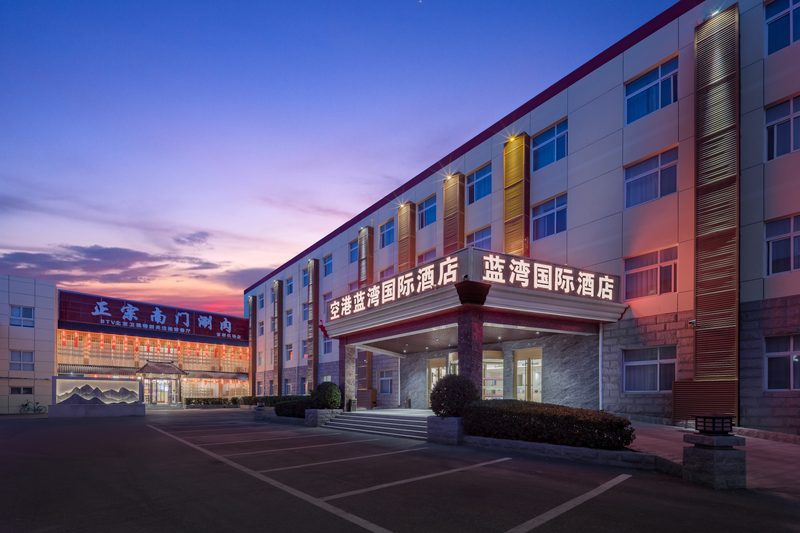
Beijing LanWan International Hotel (Capital Airport Xinguozhan Branch) in Beijing
★★★★ Mid-Range

Beijing LanWan International Hotel (Capital Airport Xinguozhan Branch)

9.7 Excellent · 7949 reviews
From $36 / night
Check Prices on Trip.com →

Public Holidays in January

Dates that affect opening hours, transport and crowds

元旦

Known in English as New Year's Day. Observed nationwide as a public holiday.

元旦

Known in English as New Year's Day. Observed nationwide as a public holiday.

春节

Known in English as Chinese New Year (Spring Festival). Observed nationwide as a public holiday.

Packing Checklist

Bookmark this page — your progress is saved between visits

Need the full list with shopping links?

Climate-specific gear, brand recommendations, and what to leave at home.

View Beijing Packing List →

Essential Tips

Insider knowledge and common pitfalls to avoid

Insider Knowledge
Check the AQI forecast every morning before planning your day. Beijing publishes real-time air quality readings by district. The difference between an AQI of 50 and 250 is the difference between clear-sky photography at the Summer Palace and visibility so poor you cannot see the Seventeen-Arch Bridge from the shoreline. On high-pollution days, pivot to indoor plans: the National Museum of China on the east side of Tiananmen Square, the Capital Museum in Xicheng, or the 798 Art District's heated galleries in Chaoyang. These are not consolation prizes. They are excellent institutions that deserve full days regardless of weather. Beijing's district heating system makes indoor spaces aggressively warm, often 24-26°C (75-79°F). You will be stripping layers constantly as you move between outdoors and indoors. Dress in a system you can peel quickly: thermal base, a mid-layer fleece or light down vest, and an outer shell. Avoid pullovers. Zip-front everything. Restaurants, malls, and metro stations will feel tropical compared to the street. The Beijing Subway is the practical backbone of winter travel. Lines 1, 2, and 8 connect the major historic sites. The system is heated, runs with three-to-five-minute frequency, and costs almost nothing. January foot traffic is lighter than any other month except February, so trains are rarely packed during midday. The subway is also the fastest way to escape a sudden pollution spike. You can go from the Temple of Heaven to the National Art Museum in twenty minutes, entirely underground, entirely warm. If you are visiting the Great Wall and hoping for the well-known snow-on-stone photograph, track Beijing's weather for light snowfall in the days before your planned visit. Snowstorms are infrequent but not rare in January. The morning after a light snow, before the sun melts it off the southern faces, is a window that lasts about three hours and produces some of the most dramatic Great Wall images possible. Tour operators can sometimes adjust departure times on short notice in winter. Ask.
Avoid These Mistakes
Underestimating the cold and packing as if Beijing is a mild-winter city. Travelers from southern Europe, Southeast Asia, or the American South are frequently caught off guard. When the temperature reads -6°C (19°F) at 7 AM and the wind is channeling down Chang'an Avenue, a fashion coat and sneakers will end your sightseeing day by 10 AM. This is a pack-for-the-Arctic-and-be-pleasantly-surprised situation. It is not a gamble-on-mild-weather one. Planning a full outdoor itinerary without building in warming breaks. The Forbidden City alone is a 3-4 hour walk through open courtyards with minimal shelter. The Temple of Heaven compound is similarly exposed. Without planned stops in heated cafes, museum galleries, or even the ubiquitous convenience stores, cold fatigue accumulates and ruins the afternoon. The experienced Beijing winter visitor alternates: one outdoor site, one indoor stop, repeat. Arriving in the last week of January without understanding Chunyun. The Spring Festival travel rush transforms Beijing's transport infrastructure and commercial rhythms. Trains and flights sell out weeks ahead. Ride-hailing prices spike near stations. Favorite restaurants shutter for the holiday. The city's population visibly thins as migrant workers head home. None of this is a disaster if you know it is coming. Travelers who arrive expecting normal-season logistics will spend half their trip adjusting.

Book Experiences in Beijing

Top-rated things to do in Beijing this January

Explore More Activities in Beijing

Didn't see anything interesting yet?

Browse Viator's full catalog of tours, day trips, food experiences, and private guides in Beijing.

See All Beijing Tours on Viator