★★★
Budget
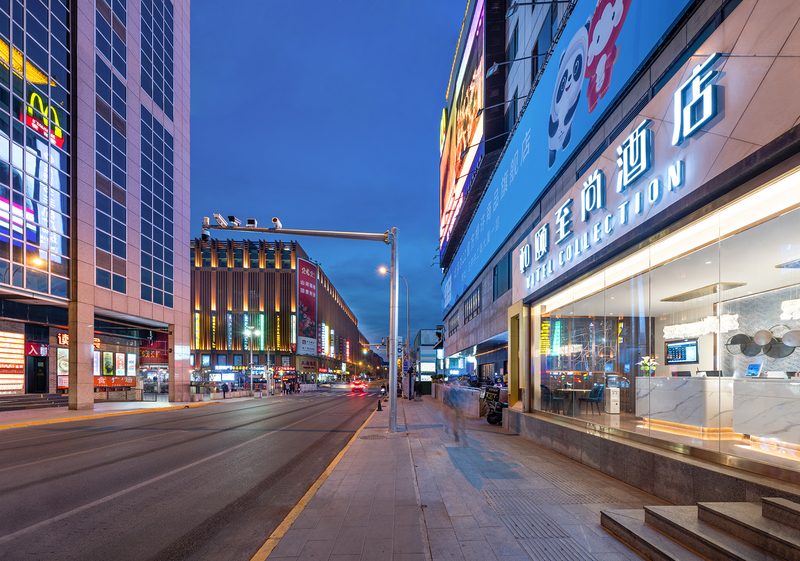
Yitel (Beijing TiananmenWangfujing Subway Station)
From $85 / night
Check Prices on Trip.com →

September weather, activities, events & insider tips
Long-run averages for September
Weigh the advantages and considerations before booking
Top things to do during your visit
September is the month locals who hike the Great Wall wait for all year. Summer crowds have thinned. Monsoon fog has lifted. The temperature at the wall's elevation sits around 22°C (72°F) during midday. That elevation is roughly 600 m (1,970 ft) above sea level at Mutianyu. This is about as comfortable as it gets for a sustained climb up steep stone steps. The wall feels different in autumn light. The gray granite takes on a warm tone. Surrounding mountains remain densely green from summer rains. Visibility on clear days lets you trace the wall snaking across ridgelines. Those ridgelines disappear into haze during summer. Jinshanling sits about 130 km (81 miles) northeast of central Beijing. Choose this section for fewer tourists and longer unrestored stretches. The wall crumbles into the mountainside here. That gives you a visceral sense of its age. Mutianyu offers better maintenance and a cable car. It draws families and first-time visitors. Either way, start early. Morning air at the wall in September carries a crispness that burns off by noon. You will have entire watchtowers to yourself before 9 AM. See current guided options in the booking section below.
Beijing's hutongs reward slow travel. Walk them. Cycle them. September's dry warmth makes both pleasant, unlike July's 31°C (88°F) humidity or January's minus-six wind chill. The lanes around Nanluoguxiang, Gulou, and Shichahai lake carry their own soundscape in early autumn. You hear wooden stools scraping outside tea shops. Mahjong tiles clatter from open courtyards. Bicycle bells rattle tinny warnings in alleys barely wide enough for two. Late afternoon light slants low between rooftops, throwing long shadows across doorways four or five hundred years old. September cycling works because the wind stays away. Beijing's spring dust storms and winter north winds are months off. The air sits still. A leisurely 10 km (6.2 mile) loop through lanes north of the Forbidden City feels almost effortless. Current guided options are available in the booking section below.
The Temple of Heaven opens at 6 AM. In September, this means 18°C (64°F) cool when the park belongs to retirees, not tourists. The sound surprises. Hundreds of elderly locals practice tai chi, sing opera, play erhu, and whip spinning tops on stone pathways. The cracks echo off cypress trees. The Hall of Prayer for Good Harvests shows triple-tiered roofs of deep blue ceramic tiles. Early September light makes the blue read almost purple against clear sky. Circular marble terraces stay cool underfoot. By 10 AM, tour groups arrive. The quiet vanishes. Set an alarm. The same logic applies to the Forbidden City's 980 buildings and 72 hectares (178 acres). September's lower sun sends light raking across carved marble balustrades and gold roof ornaments at angles high summer never achieves.
The Summer Palace covers 2.9 square km (1.1 square miles) of hills, pavilions, and Kunming Lake. September hits a sensory sweet spot summer cannot match. Lotus blossoms fade but linger. Dried seed pods rattle in any breeze. Remaining pink flowers look stark against water turned from murky green to slate gray as temperatures drop. The Long Corridor stretches 728 m (2,388 ft) with over 14,000 painted scenes on its beams. September humidity at 66% lets you linger. August's 81% forces you to rush. Walking the lake perimeter takes about two hours at an easy pace. The western shore past the Marble Boat and along back hills rewards the effort. Woodpeckers drum in old-growth trees. Fallen leaves give off faint sweet decay. The 17-Arch Bridge at golden hour delivers something photographs fail. September sun drops low enough to light all seventeen arches at once.
The 798 Art District occupies a decommissioned military electronics factory in Dashanzi. It works as serious art destination and as industrial architecture. East German engineers designed the Bauhaus-influenced buildings in the 1950s. Sawtooth roofs, exposed brick, soaring concrete ceilings. The austere geometry against contemporary installations creates tension. Purpose-built galleries rarely achieve this. September is prime time. Major galleries schedule autumn openings through the month. Café courtyards stay warm enough for outdoor seating. Foot traffic runs lighter than summer's tourist rush or October's holiday crush. The district smells distinctive. Oil paint, welding metal, espresso, dusty old concrete. On clear September afternoons, light pours through sawtooth skylights onto installation floors. You stop walking. You just stand there. Allow three to four hours. Rushing defeats the purpose.
September kicks off hairy crab season in Beijing. The first Yangcheng Lake mitten crabs hit restaurant menus. The city's serious eaters start paying attention. The crabs arrive steamed, tied with straw. Dismantling one is a ritual. Crack the shell. Get at the rich, slightly briny roe. It is a seasonal marker, like cherry blossoms in spring. But Peking duck remains the anchor of any Beijing food education. Eating it properly carries sensory weight no description fully prepares you for. The crackling skin pulls taut. It is lacquered to a mahogany gloss. Sliced tableside with a cleaver so sharp you hear the crunch before you see the cut. Wrapped in a paper-thin pancake with scallion slivers and sweet bean paste. It hits a savory-sweet note unlike anything in Western cooking. Quanjude has roasted ducks since 1864. Bianyifang has operated since the Ming Dynasty. These are the institutional landmarks. September evenings are cool enough to walk between restaurants. Warm enough to eat outside in older courtyard establishments. This is the ideal month for a self-directed food tour through Qianmen and Dashilan neighborhoods south of Tiananmen.
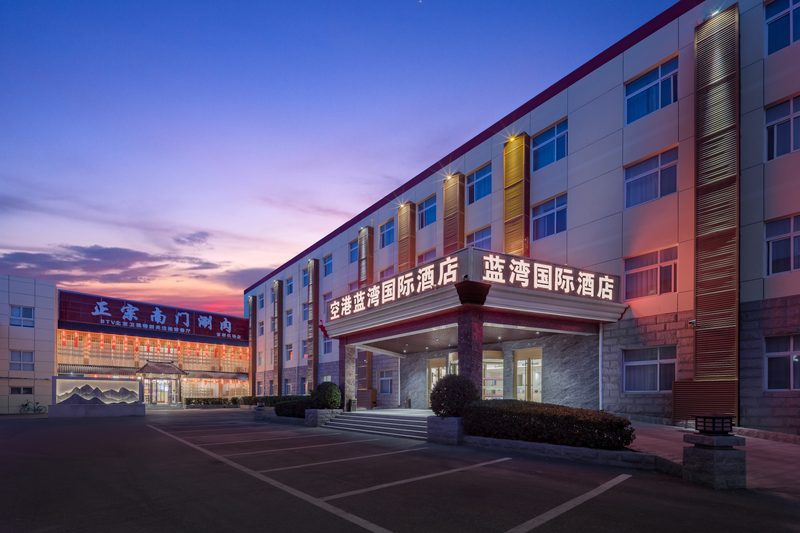
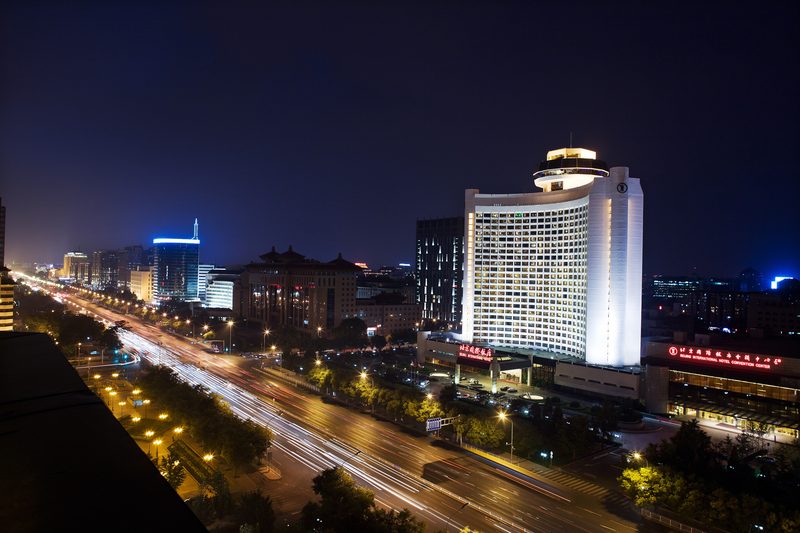
Hand-picked hotels across price tiers for September travellers.
Dates that affect opening hours, transport and crowds
Known in English as Mid-Autumn Festival. Observed nationwide as a public holiday.
Bookmark this page — your progress is saved between visits
Climate-specific gear, brand recommendations, and what to leave at home.
View Beijing Packing List →Insider knowledge and common pitfalls to avoid
Now that you've got the research covered, here's where to go next.
Top-rated things to do in Beijing this September

Didn't see anything interesting yet?
Browse Viator's full catalog of tours, day trips, food experiences, and private guides in Beijing.
See All Beijing Tours on Viator


