★★★
Budget
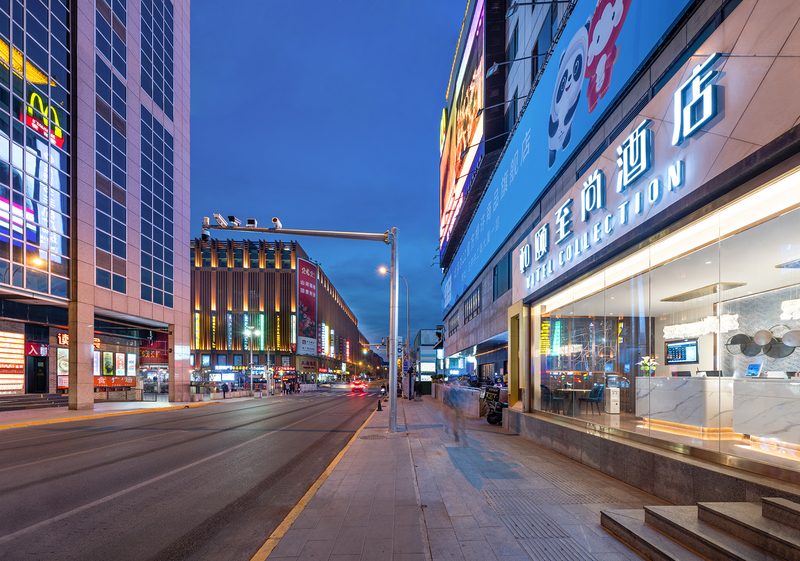
Yitel (Beijing TiananmenWangfujing Subway Station)
From $85 / night
Check Prices on Trip.com →

June weather, activities, events & insider tips
Long-run averages for June
Weigh the advantages and considerations before booking
Top things to do during your visit
June turns the Mutianyu section of the Great Wall into something the winter photographs never prepare you for. The mountains are thickly forested and intensely green. The air smells of pine and warm stone. At 7 AM the wall itself is cool enough underfoot that you can press your palm flat against the battlements without flinching. The section runs about 5.4 km (3.4 miles) of restored wall with 23 watchtowers. In June the visibility on a clear morning reaches far enough to see the wall snaking over ridgelines until it fades into haze. Start early. By 10 AM the stone absorbs enough heat to radiate it back at you. By noon the temperature on the wall runs several degrees above the city because there is no shade and no breeze on the exposed ridgeline. The toboggan run back down is a surprisingly effective way to cool off. If you want fewer crowds and more dramatic photography, the wilder Jinshanling section about 130 km (81 miles) northeast rewards the longer drive with crumbling original brickwork and solitude that Mutianyu cannot match on a weekend.
The Summer Palace spreads across 2.9 square km (1.1 square miles) of landscaped grounds and lake. June is arguably the single best month to experience it. The lotus flowers on Kunming Lake begin opening in the second and third weeks of June. By month's end the western reaches of the lake are carpeted in broad green pads and pale pink blooms that scent the humid air with something faintly sweet and vegetal. The sound of synchronized paddling and drum beats carries across the water in a way that makes the 18th-century backdrop feel less like a museum and more like a place that is still alive. Rent a paddle boat and drift under the Seventeen Arch Bridge where the stone lions each have a different expression. The Long Corridor, a 728 m (2,388 ft) covered walkway with over 14,000 painted scenes, provides shade when the midday sun gets aggressive. Expect the temperature along the lakeshore to feel two or three degrees cooler than the city center, which by June afternoon is a meaningful difference.
June mornings in Beijing's surviving hutong neighborhoods keep a rhythm that air-conditioned malls and ring roads have not erased. By 6:30 AM, the grey-brick lanes around Nanluogoxiang and the quieter alleys east of the Drum Tower fill with sound. You hear bamboo brooms scraping stone, jianbing batter hitting a hot griddle at a corner cart, and retired neighbors setting up folding chairs for chess and gossip. The narrow alleys trap shade until mid-morning, keeping the temperature comfortable for walking while the main roads are already baking. The smell in a hutong in June is specific: scholar tree blossoms, sesame paste from a noodle shop, and the mineral tang of stone that has been absorbing and releasing heat for 600 years. Courtyard houses, or siheyuan, open their wooden doors wide in summer. You catch glimpses of pomegranate trees heavy with orange-red flowers and caged songbirds hanging under eaves. The lanes west of Houhai Lake toward Yandai Xiejie are more commercial but still architecturally intact. The contrast between the Qing-dynasty rooflines and the Zhonggulou, the massive grey-stone Drum Tower, anchoring the skyline overhead never quite stops being striking.
The Temple of Heaven compound opens at 6 AM. Show up at opening and you walk into something that no afternoon visit can replicate. The park surrounding the temple complex is where Beijing's retired population comes to exercise. In June the warm mornings draw hundreds of them: tai chi groups moving in silent unison under cypress trees that are 500 years old and wide enough that three people cannot link arms around the trunk, sword dancers whose blades catch the early light, erhu players whose two-stringed melodies echo off the stone balustrades, and clusters of grandmothers doing synchronized fan dances to music from a portable speaker. The air smells of cypress resin and dew on cut grass. The Hall of Prayer for Good Harvests, the triple-roofed circular building that defines Beijing's skyline, stands 38 m (125 ft) tall and was built entirely without nails. In the early morning light, its blue-and-gold tiles glow in a way that the flat midday sun washes out. The Echo Wall and the Circular Mound Altar, where a whisper carries across 65 m (213 ft) of open stone, work when the crowds are thin enough for you to hear. By 10 AM, tour groups fill the central axis and the acoustic tricks disappear under the noise.
June evenings in Beijing cool just enough by 7 PM that sitting in a dining room watching a chef carve a lacquered duck tableside becomes an event rather than an obligation. Beijing roast duck is not a dish you order casually. The preparation takes upward of 24 hours: the duck is air-dried, glazed with maltose, and roasted in a fruitwood-fired oven until the skin turns the color and sheen of polished mahogany. The carver slices the skin away from the meat in translucent sheets. The sound of the blade is a clean, papery crackle that tells you the skin has rendered properly. You wrap a sliver of that skin, maybe a strip of dark meat, a smear of sweet bean paste, some scallion threads and a curl of cucumber into a thin wheat pancake and eat it in two bites. The skin shatters. The paste is sweet and fermented. The scallion bites. The city's most storied duck restaurants have been perfecting this for over a century. The difference between a heritage kitchen and a tourist-facing imitator is the difference between ritual and performance. June is early enough in the summer tourist season that getting a table at the more established places requires only a day or two of advance booking rather than the week-plus you would need in October.
Jinshanling sits about 130 km (81 miles) northeast of central Beijing. The longer journey pays off. This is the Great Wall experience that Mutianyu and Badaling can no longer deliver. Large sections remain unrestored. You will find crumbling watchtowers with wild grass growing through the brickwork. The wall narrows to a single person's width in places. Weekday mornings bring almost no other visitors. In June, the surrounding mountains turn green enough to create dramatic contrast with the grey stone. Stay overnight in the nearby village of Gubei Water Town. The sunrise from the eastern watchtowers justifies a two-day itinerary. The hike from Jinshanling to the adjacent Simatai section covers roughly 10 km (6.2 miles). The terrain grows increasingly wild. Elevation changes test your knees on steep original stairways. The air at roughly 700 m (2,300 ft) is noticeably cleaner and cooler than Beijing city. Silence dominates. Wind and the occasional raptor overhead break it. This recalibrates your expectations of what the Great Wall is. It is not a monument. It is a military installation built across some of the most inhospitable terrain its engineers could find.
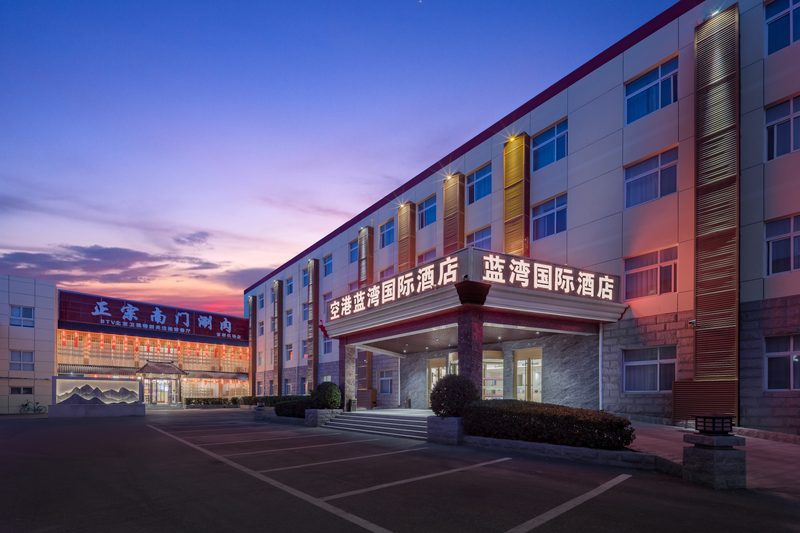
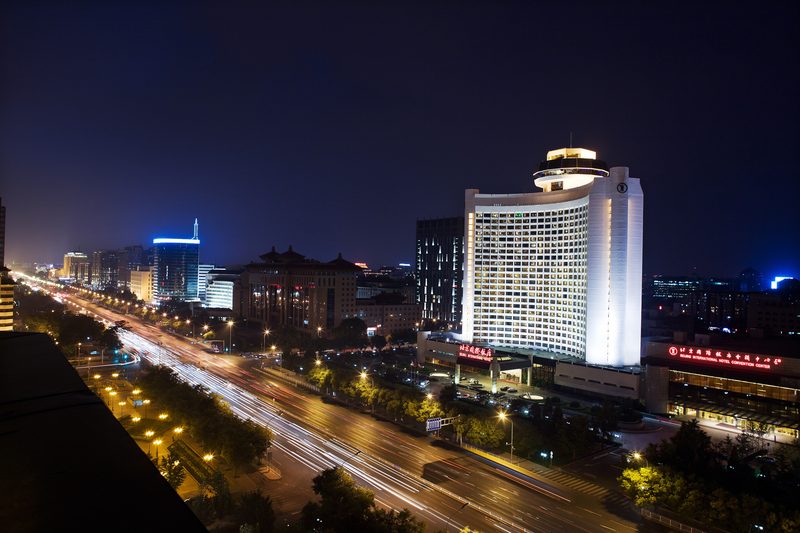
Hand-picked hotels across price tiers for June travellers.
Dates that affect opening hours, transport and crowds
Known in English as Dragon Boat Festival. Observed nationwide as a public holiday.
Bookmark this page — your progress is saved between visits
Climate-specific gear, brand recommendations, and what to leave at home.
View Beijing Packing List →Insider knowledge and common pitfalls to avoid
Now that you've got the research covered, here's where to go next.
Top-rated things to do in Beijing this June

Didn't see anything interesting yet?
Browse Viator's full catalog of tours, day trips, food experiences, and private guides in Beijing.
See All Beijing Tours on Viator


