★★★
Budget
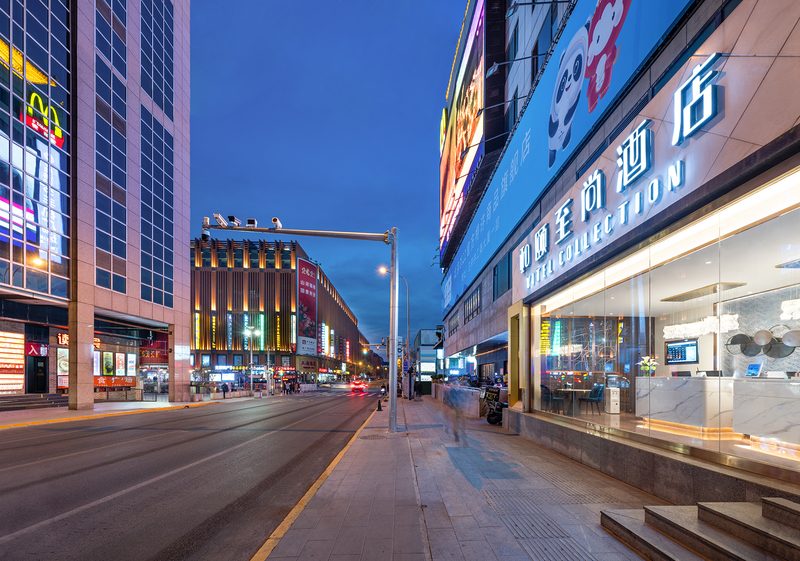
Yitel (Beijing TiananmenWangfujing Subway Station)
From $85 / night
Check Prices on Trip.com →

Your guide to the best areas and accommodation types
Beijing's layout radiates from the Forbidden City. Accommodation options mirror the city's concentric ring roads. The ancient hutongs around the lakes contrast with glass towers to the east. Stay inside the Second Ring Road. You'll hear temple bells. You'll find street food stalls.
A typical double room in a central hotel runs mid-range. Converted courtyard hotels in narrow lanes often cost more than modern high-rises. Hostel dorm beds are cheaper than in most European capitals.
Hand-picked hotels across price tiers for every visitor.
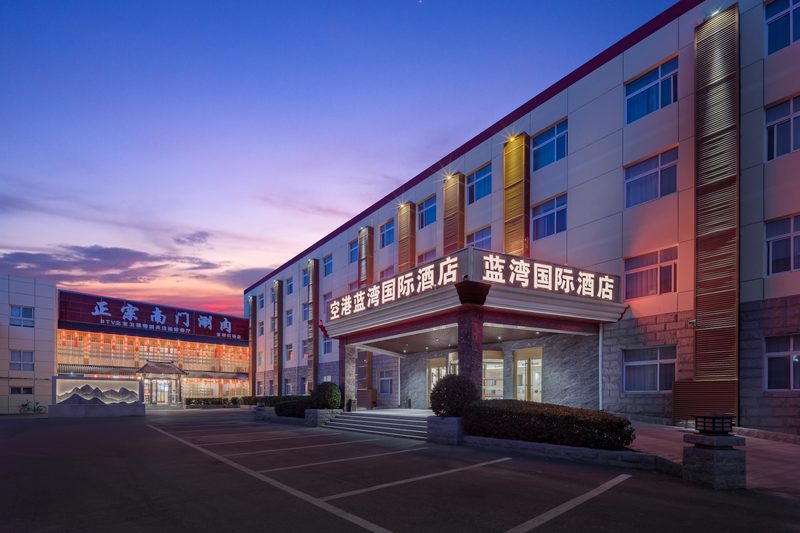
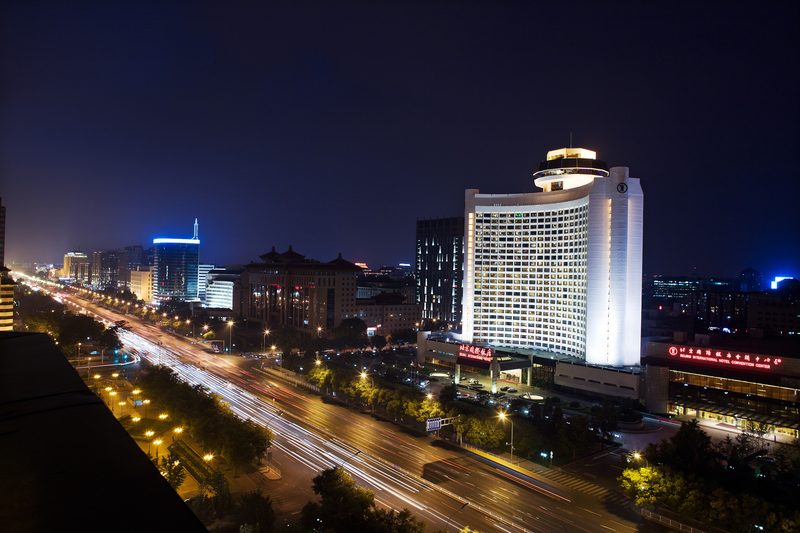
Each neighborhood has its own character. Find the one that matches your travel style.
Hotel recommendations verified
This zone covers the Forbidden City, Wangfujing shopping street, and historic hutongs north of Chang'an Avenue. It is Beijing's political and historical heart.
Centered on the Houhai and Qianhai lakes. This district has willow-lined shores, courtyard homes, and lively bars. Ancient hutongs web through the area.
Beijing's modern Central Business District lies east of the center. A forest of skyscrapers. Home to embassies, corporate headquarters, and high-end malls.
The epicenter of Beijing's nightlife and international dining. Centered on Sanlitun bar street and the adjacent Taikoo Li shopping complex.
A district in northwest Beijing dominated by Peking and Tsinghua universities. Youthful energy, bookstores, and tech company campuses fill the area.
The area north of the lakes focuses on the ancient Bell and Drum Towers. Some of Beijing's most authentic and residential hutongs are here.
Beijing's premier pedestrian shopping street runs north from Chang'an Avenue. Lined with department stores, flagship shops, and large hotels.
Vast parkland in north Beijing built for the 2008 Olympics. Dominated by the Bird's Nest stadium and Water Cube aquatic center.
Compare prices and book your perfect stay
Find the best hotel for your stay on Trip.comPrices via Trip.com. We may earn a commission from bookings.
From budget-friendly hostels to luxury hotels, here's what's available.
From international high-rises in the CBD to state-owned giants near Wangfujing, hotels in Beijing offer reliable service and central locations.
Best for: Business travelers, convenience seekers, and those wanting daily housekeeping
Converted traditional siheyuan homes in hutongs offer intimate atmosphere. Rooms are often small. Many lack elevators.
Best for: Travelers seeking historic character and a quiet, residential feel
Social hubs often located in hutongs or near university areas. Offer dorm beds. Sometimes have private rooms.
Best for: Solo backpackers. Budget travelers. Those wanting travel advice and social events.
Common in business districts like CBD and Wangfujing. Offer kitchenettes and more space for longer stays.
Best for: Families, long-term visitors, or travelers wanting self-catering options
Insider advice to help you find the best accommodation.
Beijing hotels sell out months ahead for National Day in early October. Smaller hutong guesthouses often have last-minute rooms. They rely less on advance group bookings.
Stay near Line 10 or Chaoyang CBD for easy airport access. The Airport Express connects at Sanyuanqiao. This saves time.
Timing matters for both price and availability.
Book 3-4 months ahead for May through October. Luxury properties fill fastest. The first week of October is hardest.
March through April and November need less lead time. Two to three weeks gets you solid choices.
December through February brings deep discounts. Walk-ins work. Same-day bookings are possible. Avoid Chinese New Year.
Plan one month ahead for peak season. Two weeks suffices for shoulder months. Winter needs only a few days outside holidays.
Local customs and practical information.
Now that you've got the research covered, here's where to go next.